How is Azure AD cloud sync different from Azure AD Connect sync? | Deployment Guide
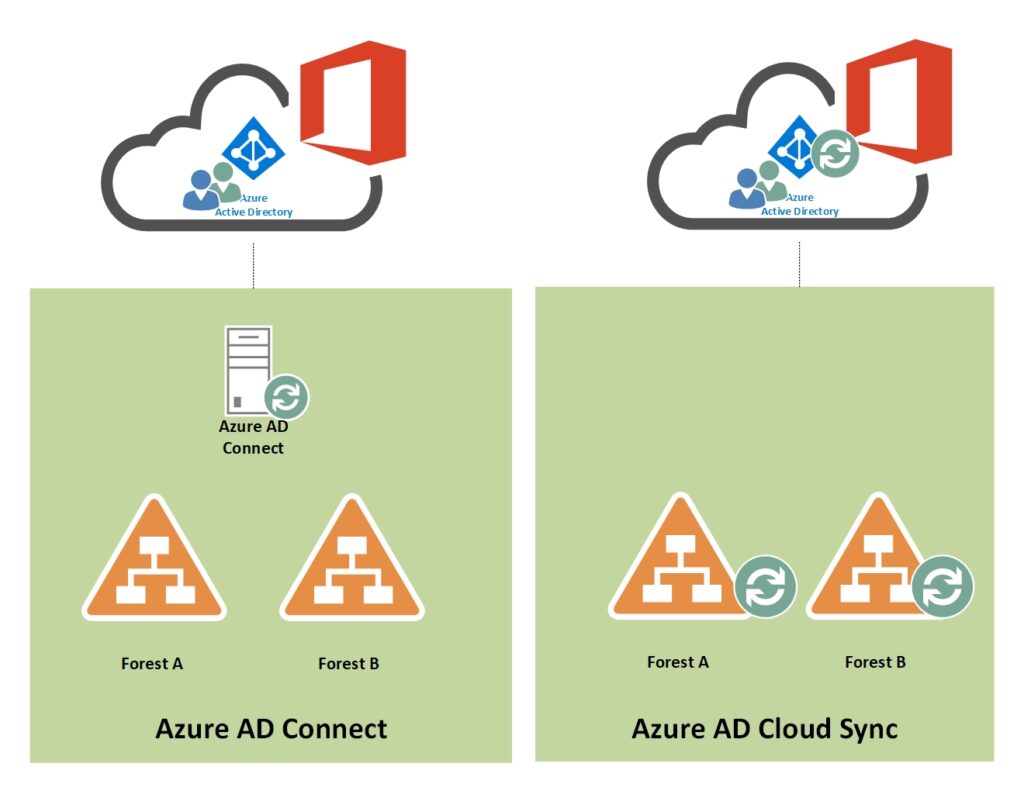
Azure AD Connect Sync is an on-premises synchronization tool that supports advanced hybrid features like password writeback and GPO integration, while Azure AD Connect Cloud Sync is a lightweight cloud-based option requiring no on-premises infrastructure. Cloud Sync is ideal for smaller or modern cloud-first environments, while Connect Sync remains suitable for complex or large hybrid […]
Microsoft 365 Cross Tenant Mailbox Migration (Native Tools) | Part 2
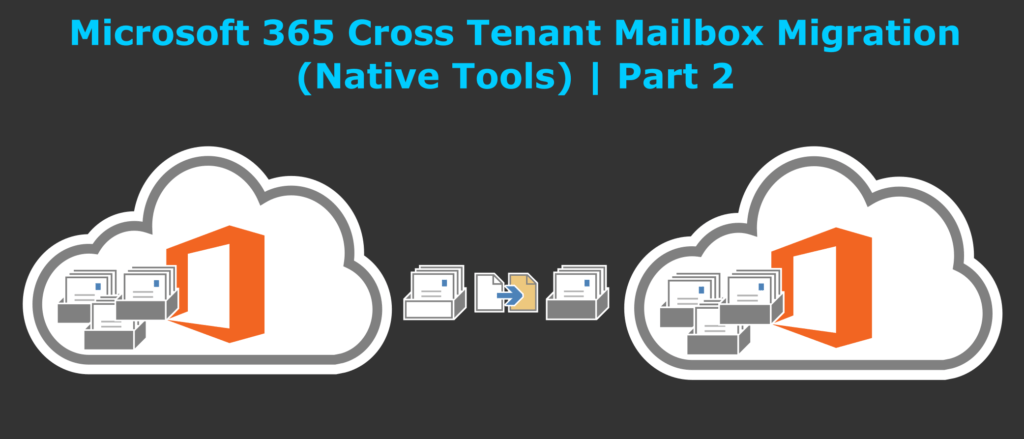
Configuration steps to enable your tenants for cross-tenant mailbox migrations You must configure the target (destination) first. To complete these steps, you are not required to have or know the tenant admin credentials for both source and target tenant. Steps can be performed individually for each tenant by different administrators. Prepare the target (destination) tenant […]
Demystifying Microsoft 365 Cross-Tenant Migration: A Comprehensive Guide | Part 1
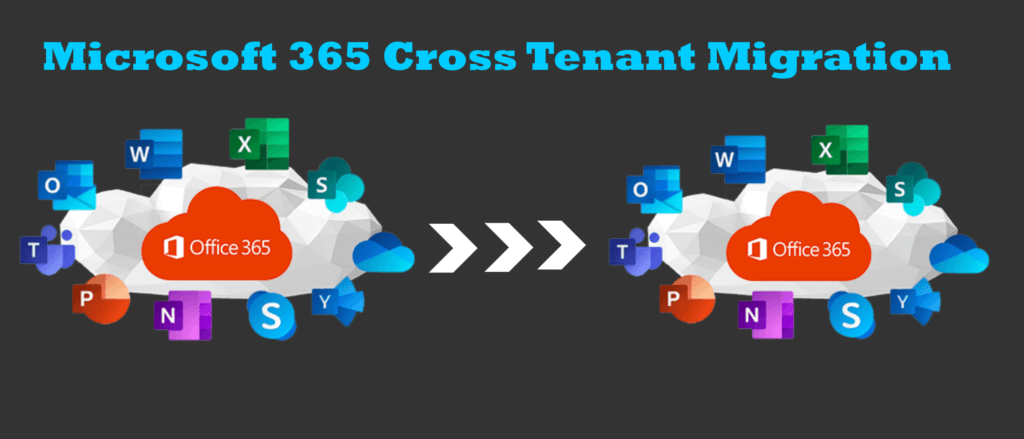
Microsoft 365 tenant-to-tenant migration is often required during mergers, acquisitions, company restructuring, or tenant consolidation. It allows organizations to transfer users, mailboxes, SharePoint data, and licenses between Office 365 tenants. If your organization uses an Enterprise Agreement, Microsoft Support can help you remap and transfer Office 365 licenses between tenants. There are two main ways […]
How to How to Copy/Paste Power Automate Desktop flows to another computer?

Power Automate Desktop, part of Microsoft’s Power Automate suite, allows users to automate repetitive desktop tasks without writing complex code. It is a powerful tool for streamlining processes, saving time, and improving efficiency by automating manual operations like data entry, file management, and app integrations. Sometimes, you may need to move or share these automated […]
DNS (Domain Name System) Zones and Delegations
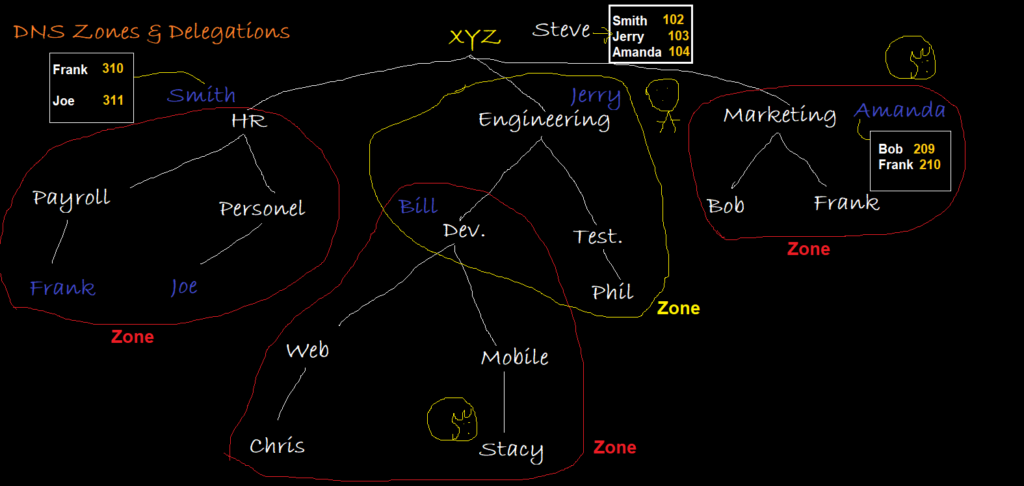
Understanding DNS zones and delegations is essential for anyone managing a domain name system (DNS) infrastructure. DNS is the backbone of the internet, translating human-readable domain names like xyz.com into IP addresses that computers use to connect with each other. To manage DNS efficiently, its namespace is divided into zones, and control of certain subdomains […]
OAuth 2.0 Client Credentials Flow support for POP and IMAP Protocols
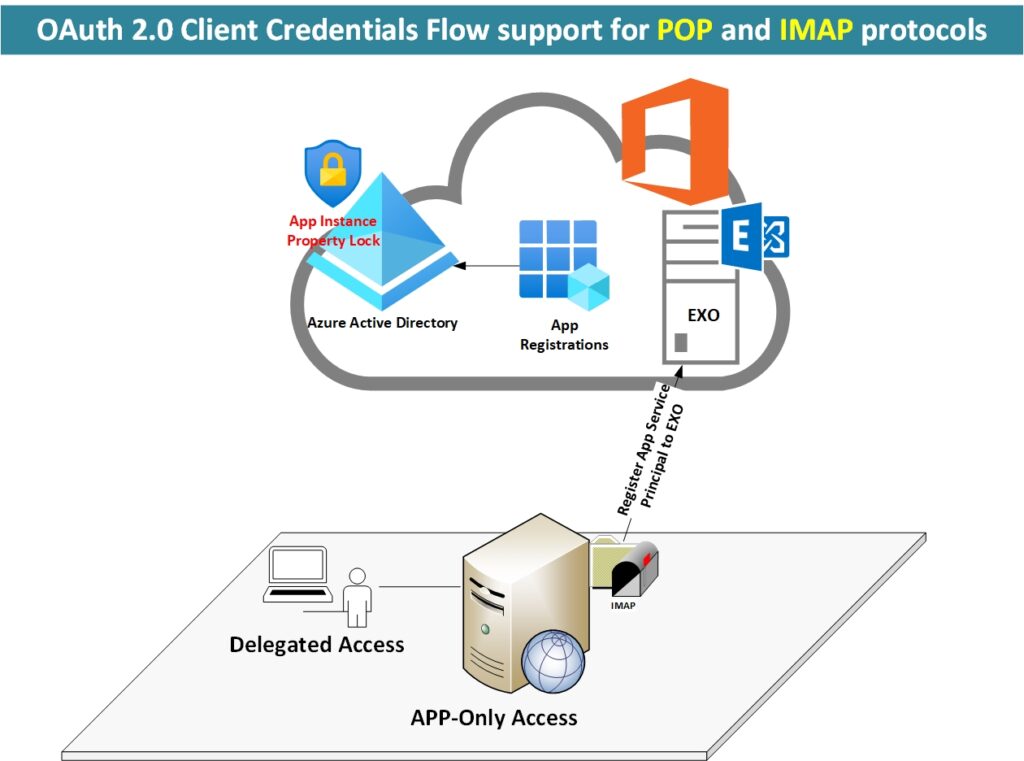
Overview Applications that need to access Exchange Online mailboxes without user interaction and using the identity of the application as opposed to user identity are now supported. This is enabled by using service principals in Exchange and mailbox permissions. While no user interaction is needed, Exchange Online admins will need to provide specific mailbox access […]
Mailbox Migration from Exchange Server 2010 to 2016 in Hybrid Office 365 Environment
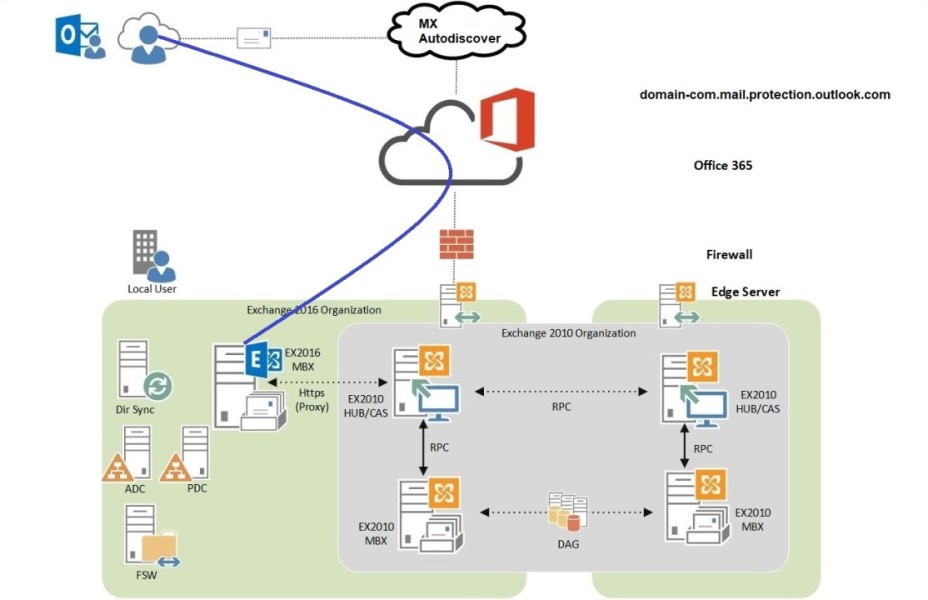
Before migrating completely to Exchange Server 2016, many organizations need to run it alongside Exchange Server 2010. This process is called coexistence. Coexistence ensures smooth communication between old and new servers during migration. So that the users can continue sending emails without interruption. In this guide, you’ll learn the prerequisites, installation steps, and post-installation configuration […]
Streamlining your Exchange Server permissions to prevent bad actors from gaining unauthorized access to your organization’s email
Your Data is very important !!! Email servers are gold mine for hackers… Modern day cyber security threats are constantly evolving, making it increasingly difficult for organizations to protect their networks and data from unauthorized access. Some of the most common threats include: To combat these threats, organizations must implement robust security measures, such as firewalls, intrusion […]
Recovering Exchange Server DAG Member Node | Step-by-Step Recovery Guide
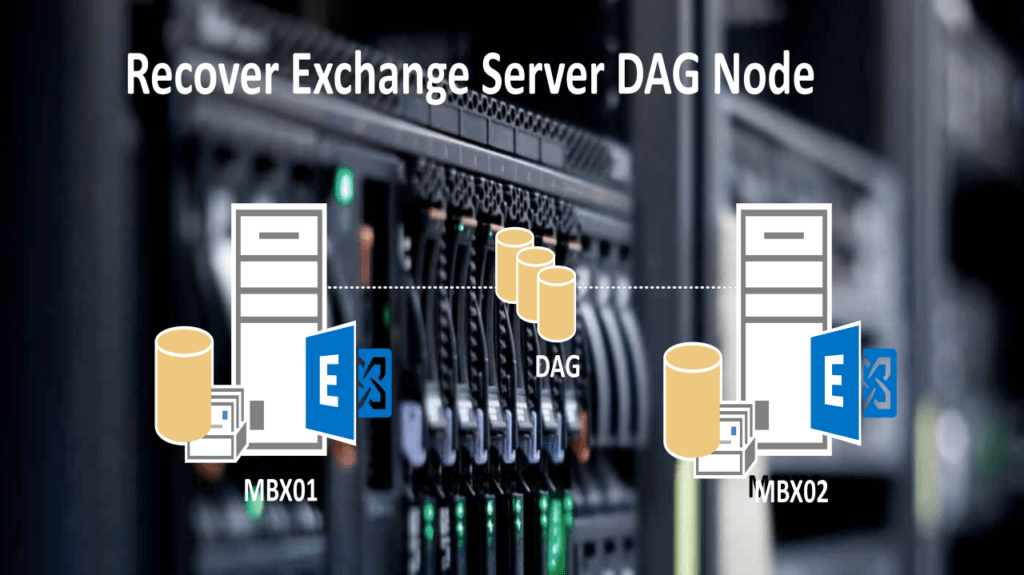
If a Mailbox server that’s a member of a database availability group (DAG) is lost or fails, and is unrecoverable and needs replacement, you can run a server recovery operation. Deployment of Underlying Physical/Virtual Machine & Base Windows Server OS What you need to verify before begin If Exchange is installed in a location other […]
Microsoft Intune | Domain Joined Computers Enrollment using Windows Autopilot | Hybrid Azure AD Scenario | Step by Step Guide
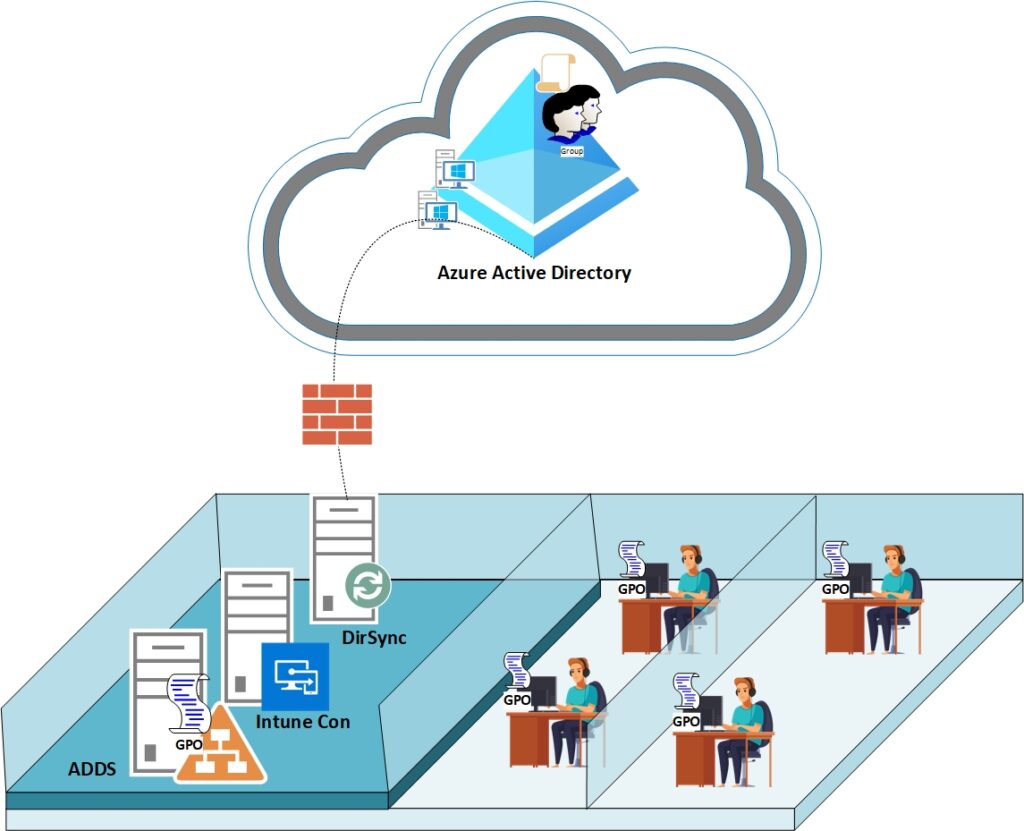
Overview Microsoft Intune is a cloud-based endpoint management platform that allows organizations to manage their employees’ devices and applications. It provides mobile device management (MDM), mobile application management (MAM), and PC management capabilities. With Intune, organizations can enroll devices into management, configure device settings and policies, deploy applications, and secure data on those devices. It […]